Authored and unveiled by Kingstone | May 13th, 2026
Investing in a large outdoor sculpture is a significant decision—one that can transform an ordinary space into an extraordinary one. Whether you're a homeowner seeking a statement piece for your garden or a developer curating the aesthetic of a luxury hotel, choosing the right sculpture requires careful consideration of multiple factors.
This comprehensive guide walks you through everything you need to know to make an informed decision that you'll appreciate for decades.
Understanding Your Space: Site Analysis First
Before falling in love with any sculpture, you must understand where it will live. A piece that dazzles in a showroom can underwhelm—or overwhelm—in your actual space.
Key Questions to Answer
What is the primary viewing distance? Sculptures viewed from 50+ feet can be more abstract and monumental. Pieces seen up close benefit from intricate details and refined finishes.
What is the backdrop? Consider architecture, existing landscaping, and color palette. A mirror-polished stainless steel sculpture creates stunning reflections against dark foliage but may compete with busy architectural elements.
What are the sight lines? Identify the angles from which the sculpture will be viewed. Some pieces reward a single focal point; others transform as you walk around them.
What is the surrounding scale? Your sculpture should command attention without dwarfing nearby structures or disappearing into vast open spaces.
The Role of 3D Design Visualization
Modern technology has revolutionized how buyers approach sculpture selection. Before committing to a purchase, request 3D design visualizations that show exactly how a piece will look in your specific space.
This isn't just about aesthetics - it's about making confident decisions. Kingstone Sculpture offers free 3D design consultations, allowing clients to see their chosen sculpture integrated into their actual landscape or architectural context before production begins.
Size and Scale: Finding the Right Proportions
Scale is perhaps the most critical - and most commonly misunderstood - factor in sculpture selection. A piece that's too small feels insignificant; one that's too large overwhelms its environment.
General Guidelines
Residential gardens: A sculpture should occupy approximately one-third to one-half of the planting bed it occupies. For front entryways, aim for a height roughly equal to half the distance from ground to roofline.
Commercial lobbies and atriums: Scale should relate to human proportion. A sculpture people will walk around should feel approachable; one serving as a backdrop can be more monumental.
Hotels and resorts: Consider the guest experience. Sculptures near amenities (pools, dining areas) should be viewable from comfortable distances. Grand entrance pieces can be more imposing.
Plazas and public spaces: These typically support larger-than-life installations that create landmarks and gathering points.
Measuring Your Space
Take multiple measurements:
- Length and width of the designated area
- Height restrictions (overhead obstacles, sight lines to rooflines)
- Distance from primary viewing positions
- Clearance needed for maintenance access
Document these with photographs and share them with your sculpture provider. This information is essential for recommending appropriate sizes and designs.
Material Considerations: Why Stainless Steel Stands Out
The material your sculpture is made from determines its longevity, maintenance requirements, and visual characteristics.
Comparing Common Materials
Stainless Steel (316L Marine Grade)
- Exceptional corrosion resistance
- 50-100+ year lifespan with minimal maintenance
- Available in mirror-polished, brushed, or painted finishes
- Reflective properties add visual dynamism
- 100% recyclable
Corten Steel (Weathering Steel)
- Develops protective rust patina over time
- Requires drainage considerations
- Warm, organic aesthetic appeals to some designers
- Patina color varies with climate conditions
Aluminum
- Lightweight, suitable for certain installations
- Less durable than stainless steel
- Requires periodic coating to prevent oxidation
- Generally more affordable
Bronze
- Traditional material with historical prestige
- Develops beautiful verdigris patina
- Heavy, requiring robust foundations
- Higher maintenance in marine environments
Why 316L Stainless Steel is the Premium Choice
For large outdoor sculpture exposed to the elements, 316L stainless steel offers unmatched advantages:
- Marine-grade composition: The addition of molybdenum provides superior resistance to chloride corrosion—essential for coastal properties, poolside installations, or regions with road salt exposure.
- Thermal stability: Unlike some materials, stainless steel maintains its structural integrity across extreme temperature variations.
- Surface versatility: Can be finished to achieve mirror polish (8K), brushed textures, or durable paint coatings.
- Structural strength: Allows for thinner, more refined forms without sacrificing durability.
Design Styles: Matching Aesthetic to Environment
Large outdoor sculpture spans an enormous range of styles. Understanding the vocabulary helps you communicate your vision.
Contemporary and Abstract
Clean lines, geometric forms, and mathematical shapes dominate contemporary design. Popular motifs include:
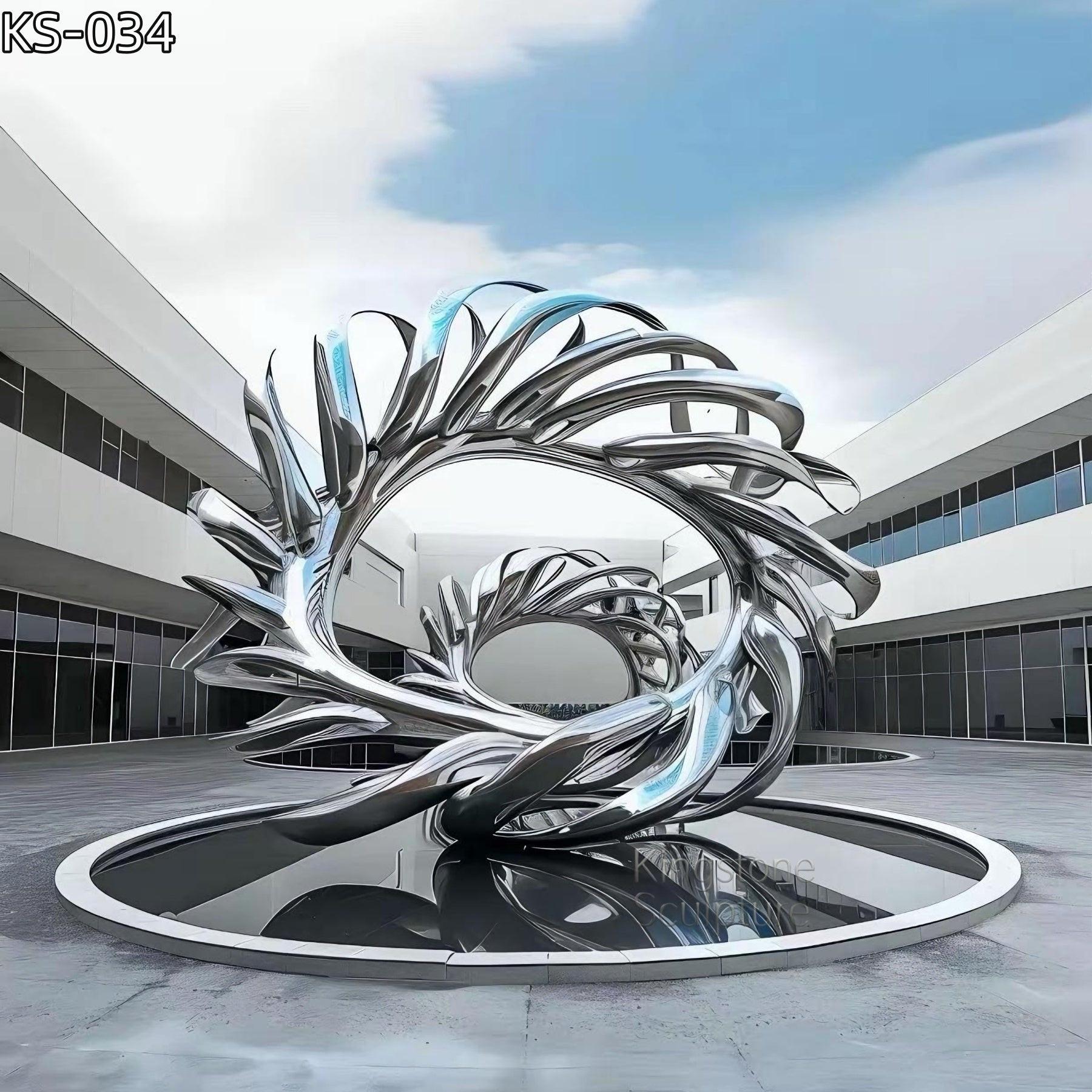
- Infinity loops: Symbolic of continuity and eternal flow
- Helix forms: Representing growth, science, and natural patterns
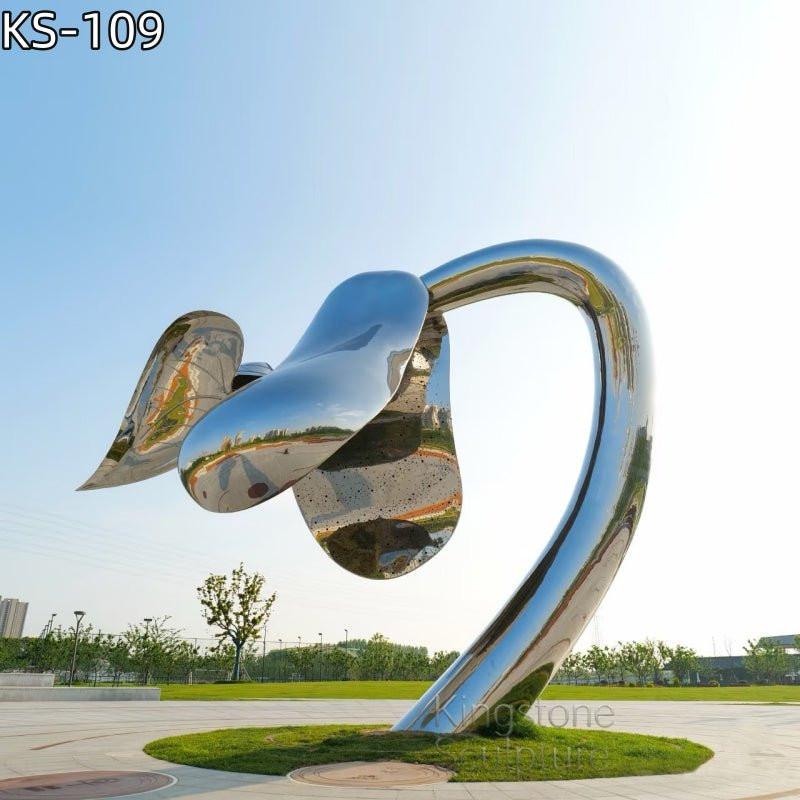
- Wave abstractions: Capturing energy and fluid motion
- Spheres and orbs: Symbolizing perfection and unity
Abstract works offer versatility—they complement both modern and traditional architecture through contrast rather than coordination.
Naturalistic and Representational
From soaring eagles to galloping horses, representational sculptures bring specific character to spaces:
- Animal sculptures: Popular for their symbolic meanings (strength, grace, wisdom) and broad appeal
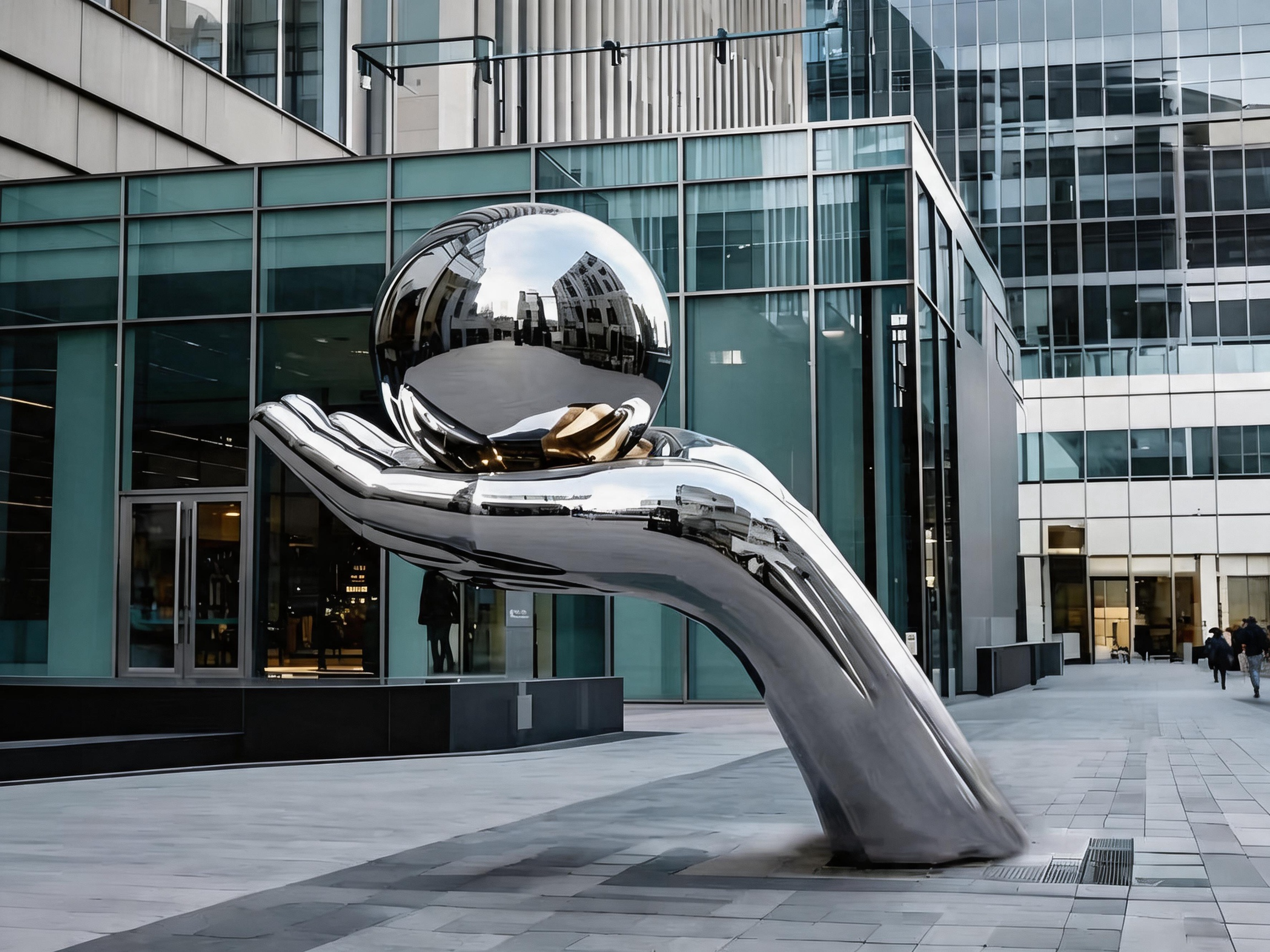
- Human figures: Create emotional connections and represent shared human experiences
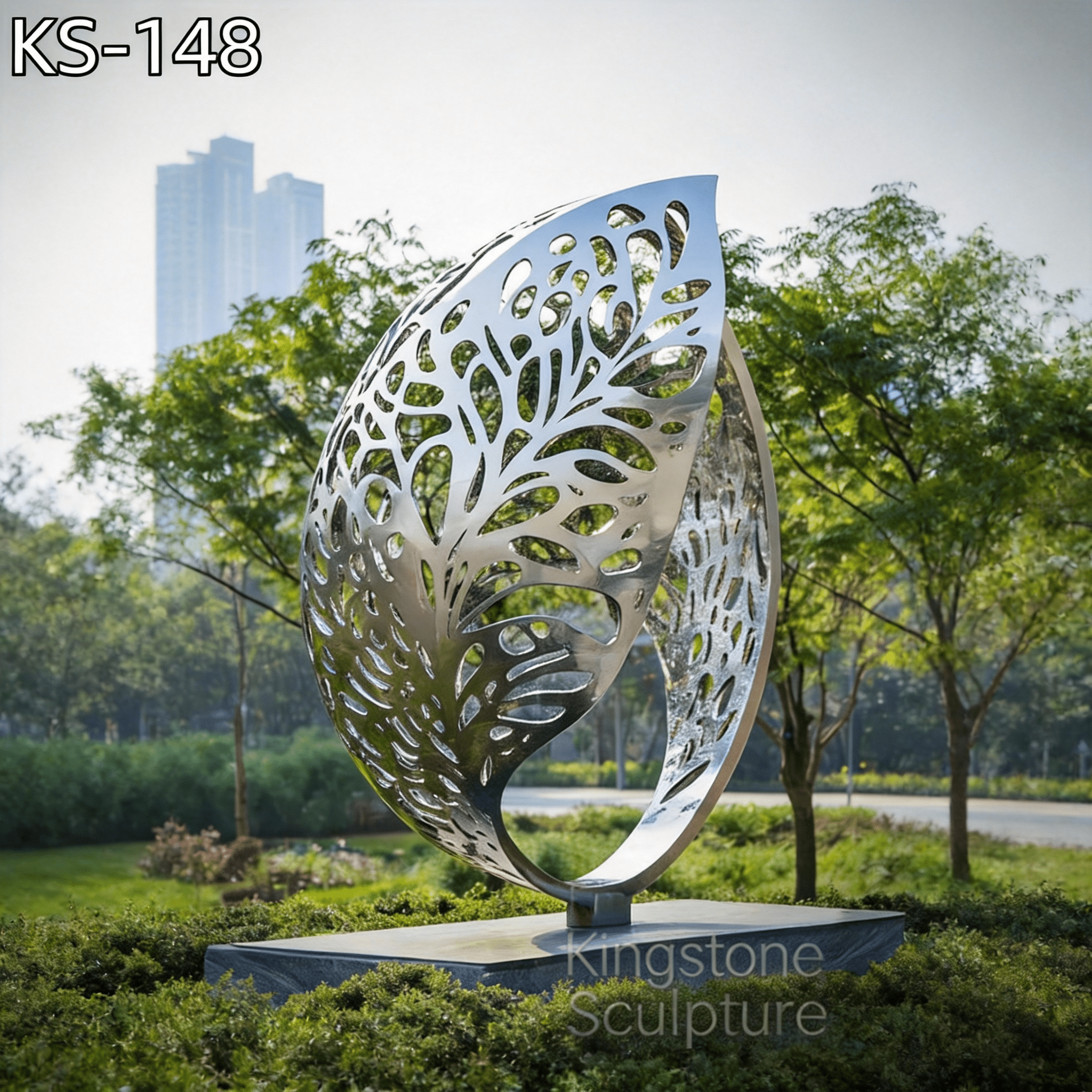
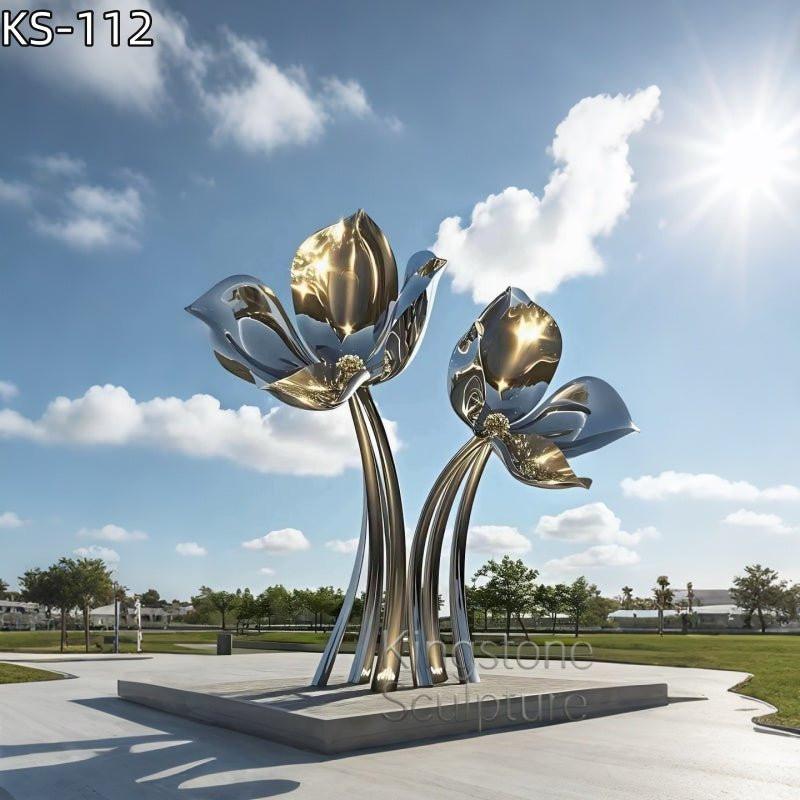
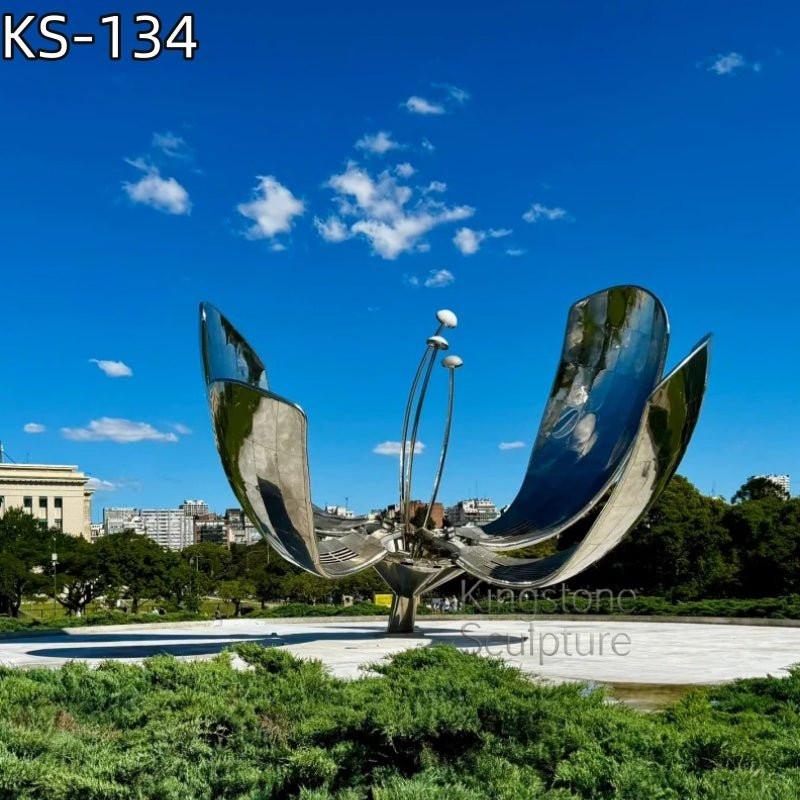
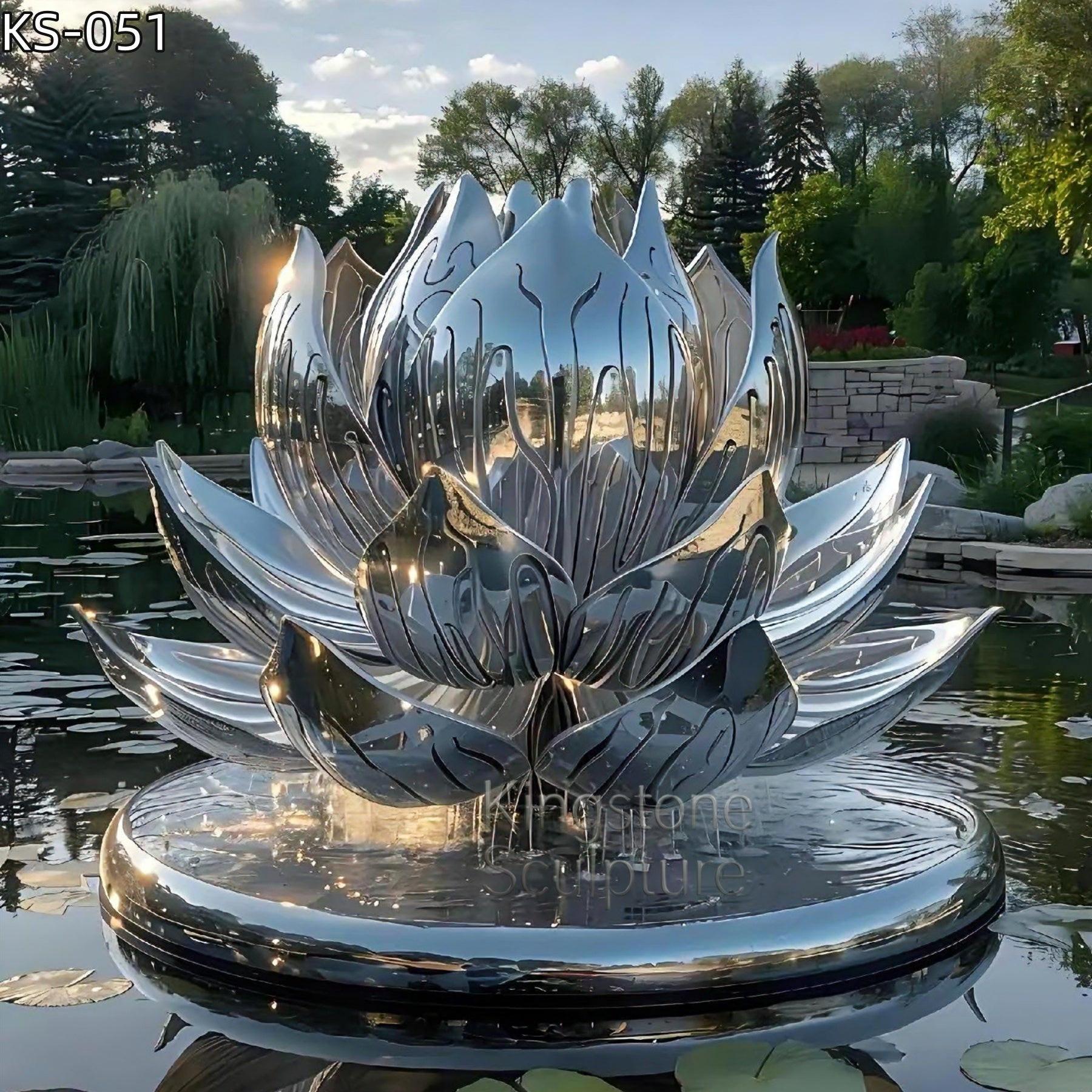
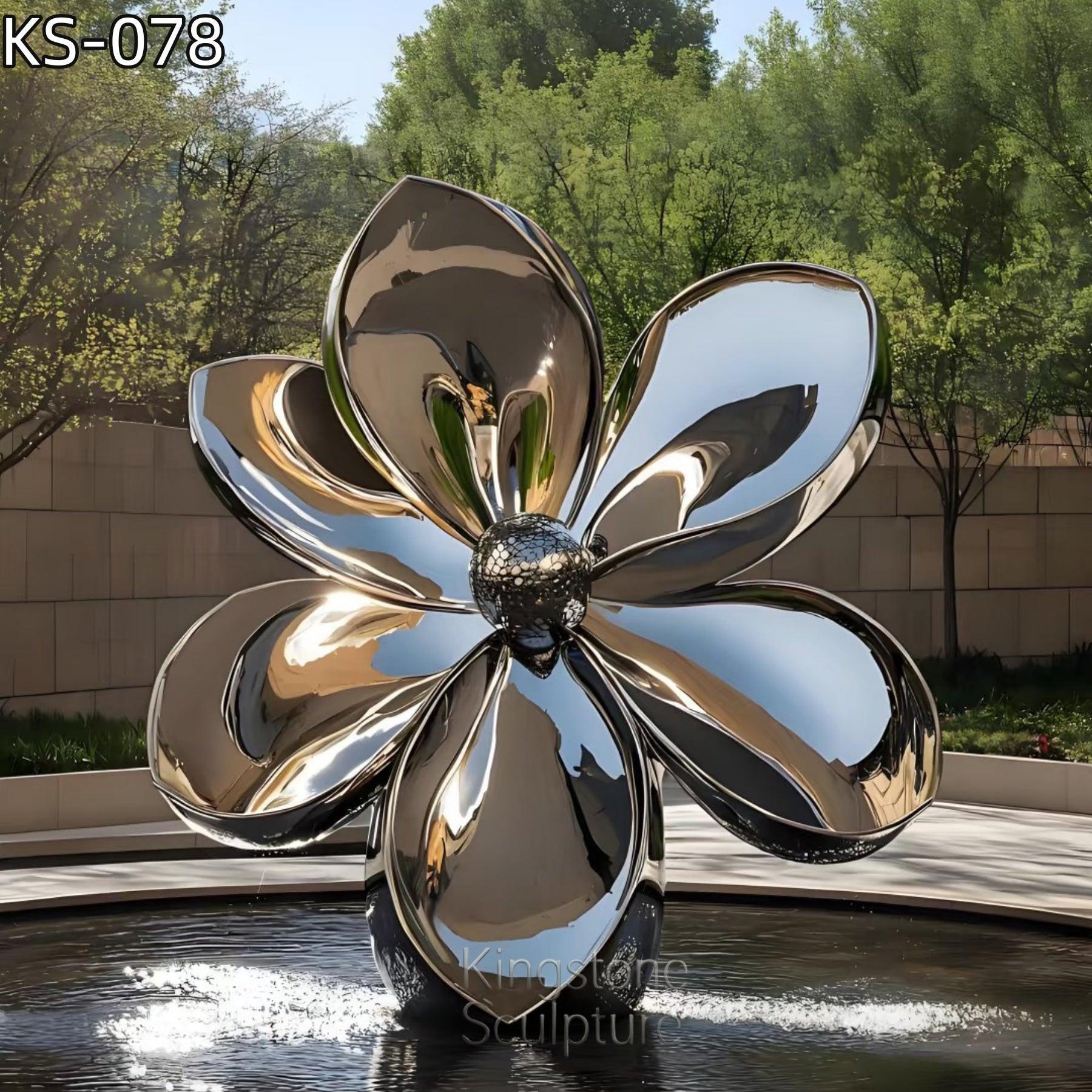
- Floral forms: Bridge natural and manufactured elements beautifully
Thematic Considerations
When selecting style, consider what message your space should convey:
- Corporate headquarters: Often favor contemporary abstract works that suggest innovation and forward thinking
- Luxury residential: May blend naturalistic elements with premium materials
- Hotels and hospitality: Seek welcoming, visually striking pieces that photograph well
- Healthcare facilities: Prioritize calming, positive imagery
- Educational institutions: Often incorporate symbolic or inspirational themes
Maintenance Requirements: Planning for the Long Term
Every sculpture requires some level of care. Understanding maintenance needs prevents surprises down the road.
Stainless Steel Maintenance
One of stainless steel's greatest advantages is its low maintenance requirements:
- Mirror polish: Occasional cleaning with water and soft cloth maintains shine. Avoid abrasive cleaners.
- Brushed finish: Similar care, with attention to maintaining consistent grain direction.
- Painted finish: Inspect periodically for chips or damage. Touch-up coating may be needed over decades.
Environmental Considerations
Your local environment affects maintenance frequency:
- Coastal areas: More frequent cleaning may be needed due to salt exposure
- Industrial zones: Particulate matter may require periodic washing
- Forested settings: Leaf and debris accumulation should be addressed seasonally
Professional Services
Quality sculpture providers offer maintenance guidance and services. Kingstone Sculpture's pieces are designed for easy care, and the team provides detailed maintenance documentation with each purchase.
Budget Considerations: Understanding Value
Large outdoor sculpture represents a significant investment. Understanding what you're paying for helps ensure value alignment.
Price Factors
- Material quality: 316L stainless steel commands premium pricing over lesser materials
- Finish quality: True 8K mirror polish requires skilled craftsmanship and time
- Complexity of design: Intricate forms require more labor and fabrication expertise
- Scale: Larger pieces require more material and present greater installation challenges
- Customization: Bespoke elements add to base pricing
The Factory-Direct Advantage
Traditional retail pricing for large outdoor sculpture includes substantial markups from galleries, distributors, and retailers. Factory-direct purchasing eliminates these intermediaries:
- Typical savings: 30-40% compared to gallery pricing
- Direct communication with makers
- Customization flexibility
- Complete control over quality
Kingstone Sculpture combines factory-direct pricing with premium materials and craftsmanship, delivering exceptional value without compromising quality.
The Kingstone Sculpture Approach
Choosing the right large outdoor sculpture doesn't have to be overwhelming. At Kingstone Sculpture, we've streamlined the selection process:
- Free consultation: Discuss your vision, space, and budget with our design team
- 3D visualization: See exactly how pieces will appear in your specific environment
- Material guidance: Understand the advantages of 316L stainless steel for your application
- Sizing recommendations: Ensure perfect proportion for your space
- Installation planning: Receive comprehensive guidance for foundation and anchoring
Flexible financing options make premium sculptures accessible, and our price guarantee ensures you're receiving factory-direct value.
Making Your Decision
Take time to explore options, request visualizations, and consult with design professionals. The perfect large outdoor sculpture will transform your space while reflecting your unique vision and values.
When you're ready to begin exploring options, browse our collection or contact our team for a personalized consultation. We're here to help you find - or create - the sculpture that perfectly suits your space.